
The science behind a new era of weight loss
Discover how treatments work and why they're changing the way we think about weight management

What happens
between the tablet
and the bloodstream
The active ingredient is the one you already know. Getting it through a stomach that digests it for a living is the part that took twenty years.
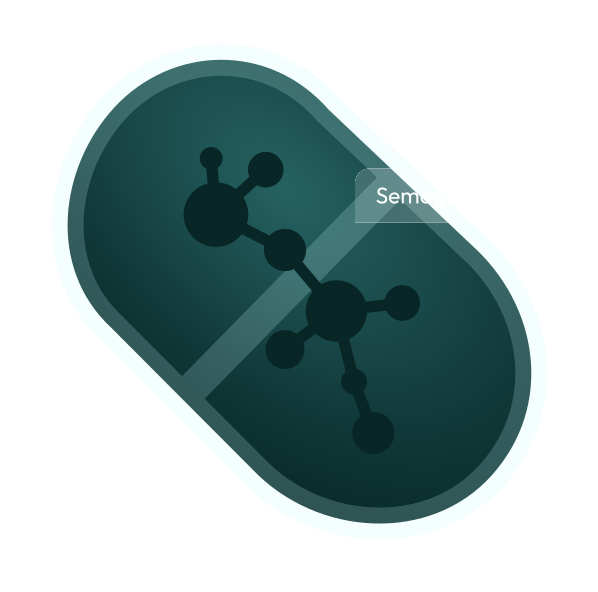
It starts with a hormone you already make
After a meal, your gut releases GLP-1. It slows how fast the stomach empties, steadies blood sugar, and tells the brain you've had enough.
The catch is timing. Your own GLP-1 is broken down within minutes, long before the signal has time to matter.
Semaglutide is that same signal, redrawn so the enzyme can't get a grip on it. One dose keeps working for days.
Peptides don't survive breakfast
Semaglutide is a peptide — a short chain of amino acids. Your stomach exists to take chains like that apart, which is why almost every GLP-1 arrives as an injection.
Oral versions failed in the same place for decades: the medicine was digested before it was ever absorbed.
The problem was never the molecule. It was the few centimetres between the tablet and the bloodstream.
A carrier that holds the door open
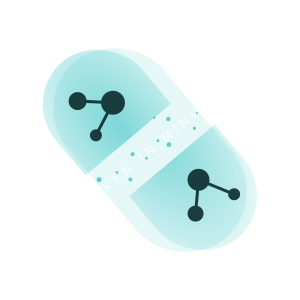
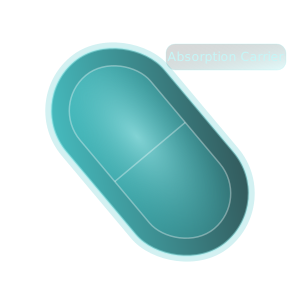
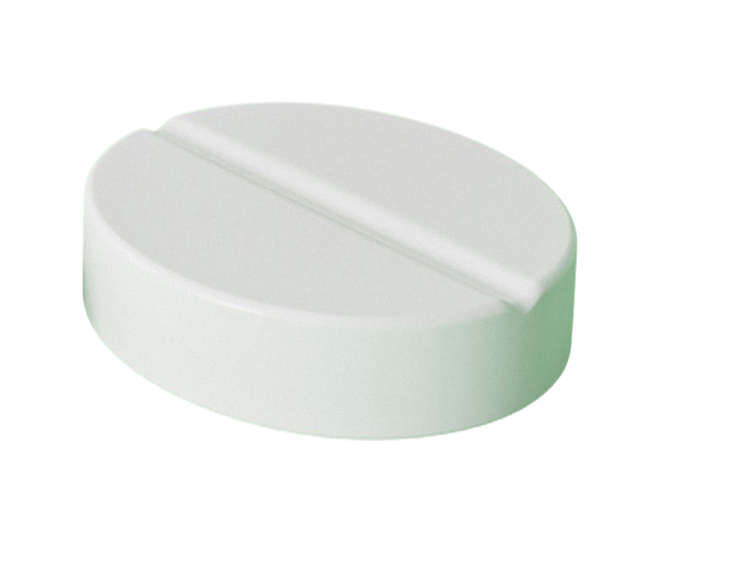
The tablet pairs semaglutide with an absorption carrier: a small molecule that raises the pH right around the pill and keeps digestive enzymes off it.
In that short window, semaglutide crosses the stomach lining and enters the bloodstream.
Minutes later the carrier is gone.
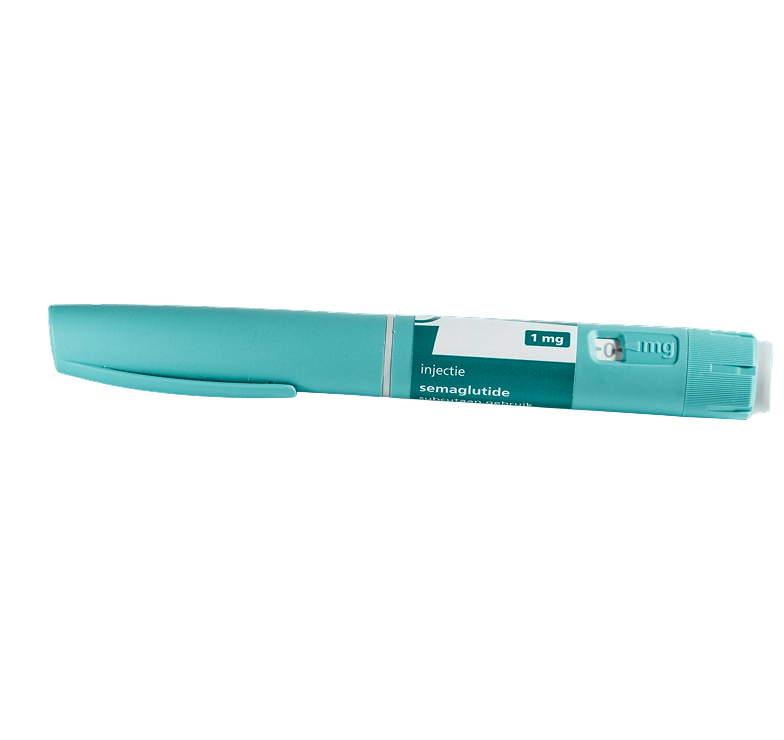
Same active ingredient as the pen. A different door in.
Taken right, or barely at all
Absorption is small to begin with, and food closes the window. One tablet, a sip of water, thirty minutes before anything else: that instruction is doing real pharmacological work.
Your provider starts you at a low dose and moves up in steps, because the same slowed stomach that quiets appetite is what causes nausea in the first weeks.
A new molecule is only half of it
The other half is the provider who decides whether it's right for you, and stays on the thread while your dose moves.
See if you're eligibleReferences and scope
1 Half-life of the active ingredient in published pharmacokinetic data; dosing intervals differ by product and are set by your provider.
2 Absorption-enhancer mechanism as described in peer-reviewed literature on oral peptide delivery. Omega Clinical did not develop the molecule or the carrier.
* In a 68-week trial of the active ingredient, adults with overweight or obesity lost an average of 18% of body weight alongside a reduced-calorie diet and exercise. Individual results vary and are not typical. Stopping treatment may lead to weight regain.
This page explains how the medication works. It is not medical advice, and it is not a promise of a prescription. Prescription products require an online consultation with a licensed healthcare provider, who determines whether treatment is appropriate for you.

